How to Overcome Objections to Corporate Training Objections and resistance to training can occur for a variety of reasons, not least the fact that people are generally very busy so see training as an added burden. One answer to objections and resistance is to simply force employees to complete the training. However, this approach will limit the impact of the …

Utilising UX Design Laws to Optimise E-Learning Courses
Utilising UX Design Laws to Optimise E-Learning Courses The most effective e-learning courses are developed using learning experience design (LXD) principles. LXD is a combination of instructional design and (UX) design. Instructional design focuses on achieving learning outcomes while UX design focuses on ensuring the experience of users is as enjoyable, smooth, and hassle-free as possible. In previous blog posts, …
HR Training Best Practices
HR Training Best Practices The HR department plays a crucial role in the success of any organisation. That role covers everything from recruitment and retention to compliance and employee wellbeing. Despite the importance of HR, there often isn’t the same level of training focus for HR staff as there is for staff in other departments, particularly those that are customer-facing …
Best Practices for Creating E-Learning Storyboards
Best Practices for Creating E-Learning Storyboards Creating an effective storyboard is an essential step in the e-learning development process as it demonstrates the flow of the content, the design of the screens, and the overall learning experience. Ultimately, e-learning storyboards help to organise and present the content of the course, creating a framework for the ongoing development work. While creating …
The Ultimate E-Learning Design Checklist
The Ultimate E-Learning Design Checklist E-learning design projects have a lot of moving parts and can involve a number of people. It is important to take a structured approach to ensure everything is successfully completed and nothing is missed. This e-learning design checklist will help you create effective, engaging, and impactful learning experiences. There are some points on the checklist …
Distractions to Avoid in E-Learning Course Design
11 Distractions to Avoid in E-Learning Course Design Distractions can significantly impact the effectiveness of e-learning courses and the experience of learners. The problem is that distractions are often hard to identify. After all, nobody would deliberately put a distraction into an e-learning course. More often than not, the distracting element comes with good intentions that are unfortunately misguided. To …
Successful E-Learning Project Dos and Don’ts
Successful E-Learning Project Dos and Don’ts Successful e-learning projects don’t happen by accident. Instead, they happen because of careful planning and by following a tried and tested design and development process. Here are our dos and don’ts for successful e-learning projects. Successful E-Learning Project Dos Conduct a Needs Assessment A needs assessment will tell you what learners know, what they …
The Challenges of Asynchronous Learning and How to Overcome Them
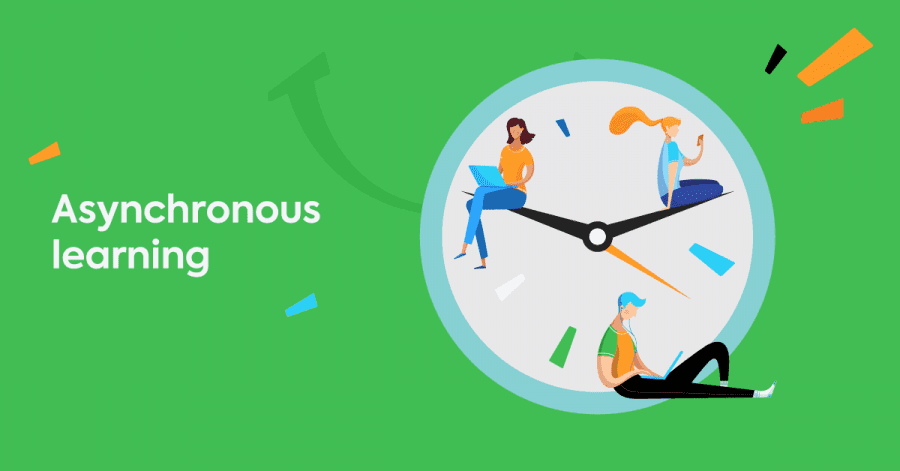
The Challenges of Asynchronous Learning and How to Overcome Them Asynchronous learning involves employees completing training at different times. The opposite is synchronous learning, where employees come together in person or virtually to participate in training, typically in instructor-led sessions. E-learning is commonly used to deliver asynchronous learning. Other asynchronous learning examples include on-the-job training, training videos, and instruction manuals. …
Best Practices for Creating E-Learning Courses for Digital Natives
5 Best Practices for Creating E-Learning Courses for Digital Natives A growing percentage of the workforce in the UAE and Saudi Arabia are digital natives, i.e., employees who have grown up with digital technology, so are very familiar with using phones, computers, and the internet. On the surface, e-learning might appear to be the ideal training approach for digital natives. …
Designing E-learning for Different Learning Styles
Designing E-learning for Different Learning Styles It is widely accepted there are four main learning styles that apply to adult learners. They are known as the VARK model and are visual, auditory, read-write, and kinaesthetic. How do you design e-learning courses that suit these different learning styles? We’ll explore this question in this blog, but let’s first define what a …